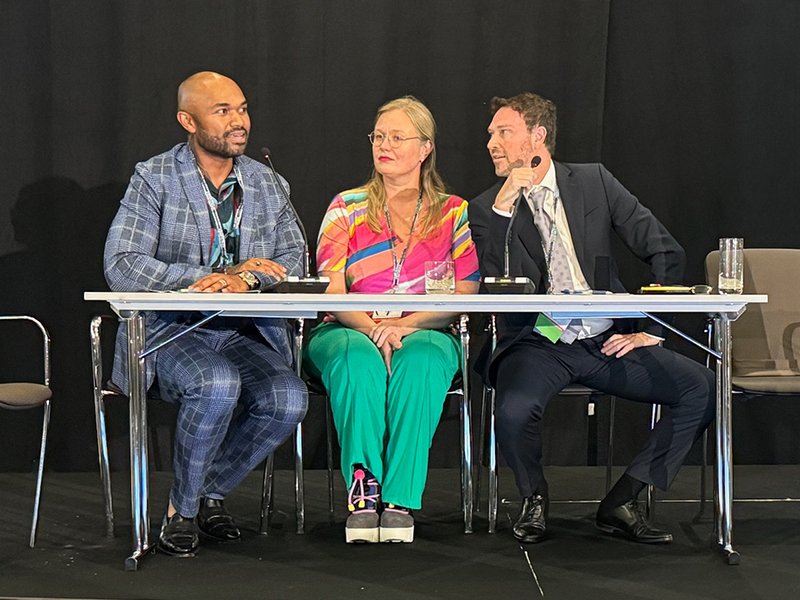
In 2024, we attended numerous conferences and events with some of the leading minds and researchers in gender-affirming surgery. As we close out 2024, here is what we have learned:
Dr. Satterwhite
I had the honor of being the chair of WPATH conference this year, and in addition to leading this conference, I was also an invited speaker at the Aesthetic Conference and the California Society of Plastic Surgeons. I also attended the American College of Surgeons.
My top three takeaways from these conferences were:
- Collaboration is Essential: In a rapidly evolving legal, insurance, and medical landscape, teamwork is vital to optimizing patient care and navigating these changes effectively.
- Personalized, Interdisciplinary Care: Each patient’s journey is unique, and medical decisions should be tailored through discussions within their interdisciplinary care team to ensure the best outcomes.
- Advancing Research: A robust body of evidence supports the benefits of gender-affirming care, often on par with or exceeding other disciplines. Continued research, including collaborative multi-institutional studies, is crucial—Align is proud to play an active role in these efforts.
Dr. Michael Safir
Attending conferences this year, I learned:
- Transgender patients still have poor access to relevant healthcare, particularly in rural settings.
- Satisfaction with surgical outcomes continues to be high for gender-affirming surgery.
Dr. Jedrzejewski
I am so grateful to have attended ASRM, Society of Gender Surgeons, Dallas Rhinoplasty, and WPATH this past year. Each conference has lent so much knowledge and perspective to reflect upon. Some highlights include:
- Appreciating when surgeons not only share their successes but also their struggles whether technical or otherwise. In the words of a colleague, if you aren’t having the complications, you must not be doing the surgeries.
- Considering the benefits of staging vaginoplasty for younger adult patients and whether that may help ease the struggles of dilation following canal creation.
- Anticipating how the hostile anti-trans political and social climate affects access to care and our own medical decision making.
- Recognizing the power of our collective action when it comes to advocating for our patients, especially within the medical and surgical communities in which leadership is not immune to political bias.
- Focusing on our patients and what a privilege is it to serve the transgender community despite the uncertain times ahead.
Debby Anziano
A few takeaways from the conferences this year include:
- There are many inconsistencies regarding access to gender affirming care. Worldwide policies vary widely by country, including insurance coverage and parental consent requirements, impacting access for young adults. These disparities create significant barriers for transgender individuals seeking care.
- There is also a growing threat of anti-trans activism, which has led to harassment of healthcare providers and politicization of evidence-based care.
See you all in 2025!