Editor's Note: Language is ever evolving, and some terms people use to search for care may now be considered culturally outdated. When we reference these phrases, we are doing so to help more people find accurate, patient-first information.
We remain committed to using the most current, respectful terminology whenever possible and continually revise our content as language changes and as we learn from the communities we serve.
San Francisco 2299 Post St. Suite 207
San Francisco, CA 94115 (415) 530-5335
Los Angeles 1317 5th St #300
Santa Monica, CA 90401 (310) 751-5886
Phalloplasty is a masculinizing gender-affirming surgery that creates a neophallus (penis) using tissue from another area of your body, such as the forearm or thigh. This procedure may be a good fit for patients who want reconstructive options that go beyond what metoidioplasty typically offers, including goals related to appearance, standing urination, sensation, or other functions.
At Align Surgical Associates in San Francisco and Los Angeles, California, we approach phalloplasty with clear information, thoughtful planning, and recommendations grounded in your anatomy, priorities, and overall surgical plan.
Phalloplasty Before & After
This gallery contains images intended for adult audiences.
Phalloplasty involves creating a neophallus using tissue transferred from another area of your body. Depending on your surgical plan, phalloplasty may also include urethral reconstruction, scrotoplasty, glansplasty, or later penile implant placement.
Phalloplasty is usually performed in stages. Rather than doing every part of the reconstruction at once, surgery is often divided into separate procedures over time so tissue can heal, circulation can stabilize, and later steps can be approached more safely. The number of stages varies from person to person, but staging is often an important part of balancing function, healing, and long-term outcomes.
Our Commitment to You.
We lead with your goals and make decisions—together.
Your plan starts with what matters most to you, such as function, sensation, privacy, recovery realities, and your day-to-day life.
We give honest recommendations.
We'll be transparent about what a technique can and can't reliably do for your anatomy and priorities, and we'll explain why we're recommending a particular approach.
We treat the whole person.
We don't reduce care to a single concern or body area. We look at your goals, your comfort, and what's safest and most supportive for you overall.
We prioritize privacy, dignity, and emotionally safe care.
We understand that many patients come in with complex past healthcare experiences and strive to create an environment where you always feel respected, welcomed, and seen at every step.
We're built for gender-affirming care.
Gender-affirming surgery isn't a side offering at Align—it's our life's work.
We evolve with the community.
Care and language change over time. We are dedicated to staying current, listening, and adapting.
Who Might Consider Phalloplasty?
Phalloplasty may be a meaningful option for transmasculine, nonbinary, and other gender-diverse patients whose embodiment goals include a penis. Depending on the plan, this procedure may involve staged reconstruction, urethral lengthening, and later implant placement.
Because phalloplasty is highly individualized, consultation is less about following one standard path and more about understanding which options make sense for your anatomy, priorities, and overall goals. Some patients also compare phalloplasty with metoidioplasty, depending on their goals for size, function, and surgical staging.
Traditional Phalloplasty Techniques
Phalloplasty requires a donor site to construct the neophallus. The main options differ in scar location and visibility, tissue characteristics, and how they support goals related to sensation, standing urination, and overall staging.
RFFF phalloplasty uses tissue from the forearm and is often chosen when standing urination and erotic sensation are high priorities. It can support strong functional outcomes, but it leaves a visible donor-site scar.
ALT phalloplasty uses tissue from the thigh and is often considered by patients who want a donor site that may be easier to conceal. This option can offer strong aesthetic outcomes, though the thickness and characteristics of thigh tissue may affect how the neophallus is shaped and the complexity of urethral reconstruction.
Abdominal-based flap phalloplasty uses tissue from the lower abdomen and may be considered when other donor sites are not the best match because of anatomy, prior scarring, or other surgical factors. It can be a useful alternative in selected cases, though it is less commonly used when certain functional goals are a priority.
Latissimus dorsi flap phalloplasty uses tissue from the back and may be considered when more tissue volume is needed or when other donor sites are less suitable.
Advanced Phalloplasty Techniques
Some phalloplasty approaches involve more specialized planning or microsurgical techniques.
Microvascular phalloplasty uses microsurgery to connect blood vessels and sometimes nerves in a way that supports tissue survival, healing, and sensation. This approach is often part of modern phalloplasty reconstruction.
Single Scar Phalloplasty (SSP) is a specialized technique developed by Dr. Dev Gurjala that uses a single linear scar along the thigh to reduce visible donor-site scarring. SSP may be an option for selected patients. If it is relevant to your anatomy and goals, Dr. Gurjala will explain how it compares with other flap options and what trade-offs may come with a scar-minimizing approach.
Phalloplasty Technique Comparison
Consideration
RFFF (Forearm)
ALT (Thigh)
Abdominal-Based Flap
Latissimus Dorsi (Back)
Single-Scar Phalloplasty (SSP)
Donor area
Forearm
Thigh
Lower abdomen
Back
Thigh
Scarring
Visible forearm scar
Thigh scar, often easier to conceal
Lower abdominal scar, often more concealable
Back scar, often less visible day to day
Single linear thigh scar designed for easier concealment
Sensation potential
Often strong
Variable
More limited
More limited
Depends on anatomy and plan
Standing urination
Commonly supported with urethral lengthening
Possible in select staged plans
Less commonly pursued
Less commonly pursued
Possible in select cases
Staging
Usually multi-stage
Usually multi-stage
Multi-stage
Multi-stage
Depends on anatomy and goals
Best suited for
Patients prioritizing sensation and standing urination
Patients wanting a more concealable donor site
Patients for whom other donor sites are not ideal
Patients needing greater tissue volume
Patients prioritizing scar concealment who meet anatomy and safety criteria
Phalloplasty Add-Ons and Refinements
Many phalloplasty plans include optional procedures that support specific functional or aesthetic goals.
Urethral lengthening extends the urethra through the neophallus to support urination while standing.
Glansplasty shapes and defines the head of the penis to create a more distinct contour.
Scrotoplasty creates a scrotum and may be performed with or without testicular implants, depending on the plan.
Penile implant placement may be considered later if penetrative sex or greater firmness is important for your goals.
Six surgeons. Two locations.One specialized focus.
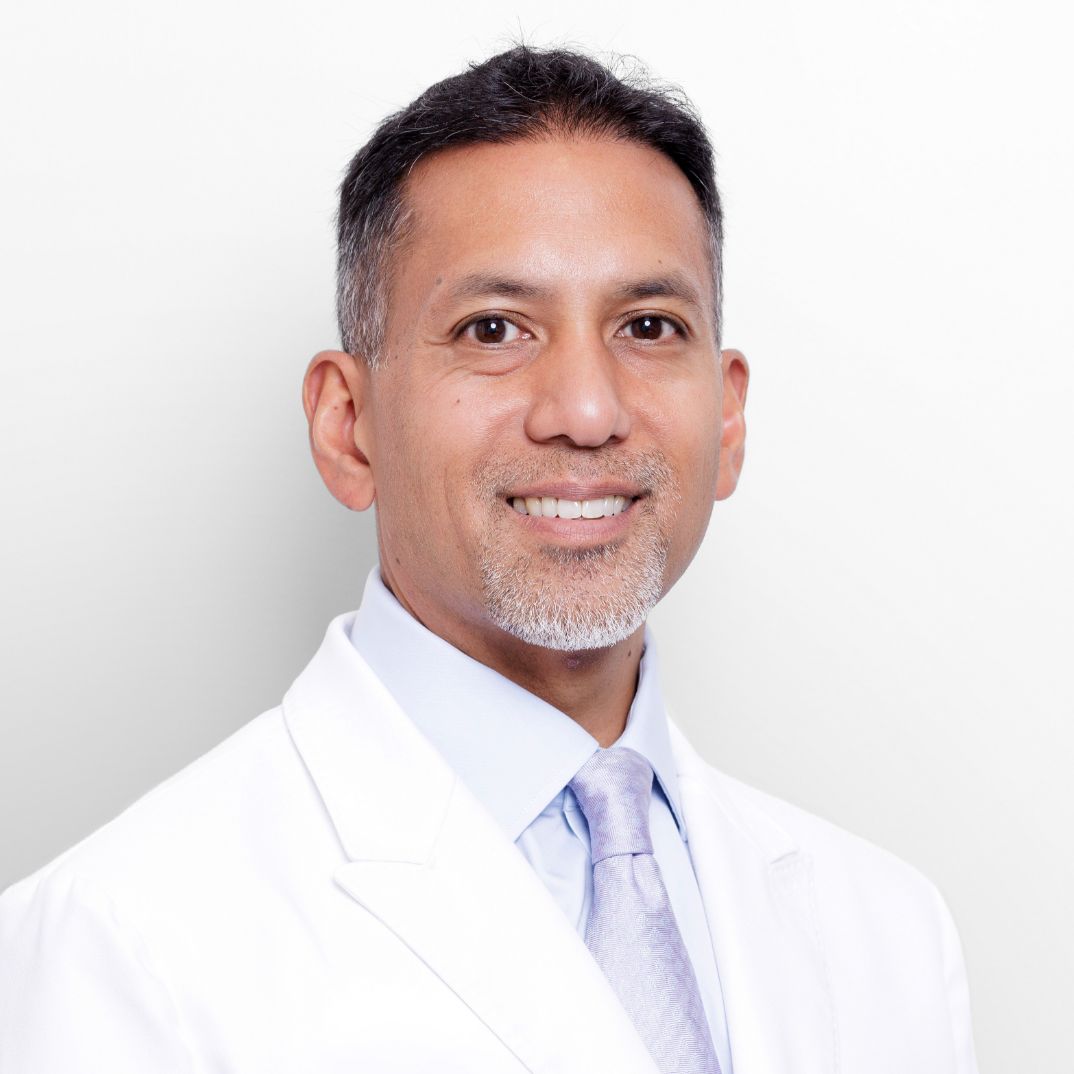
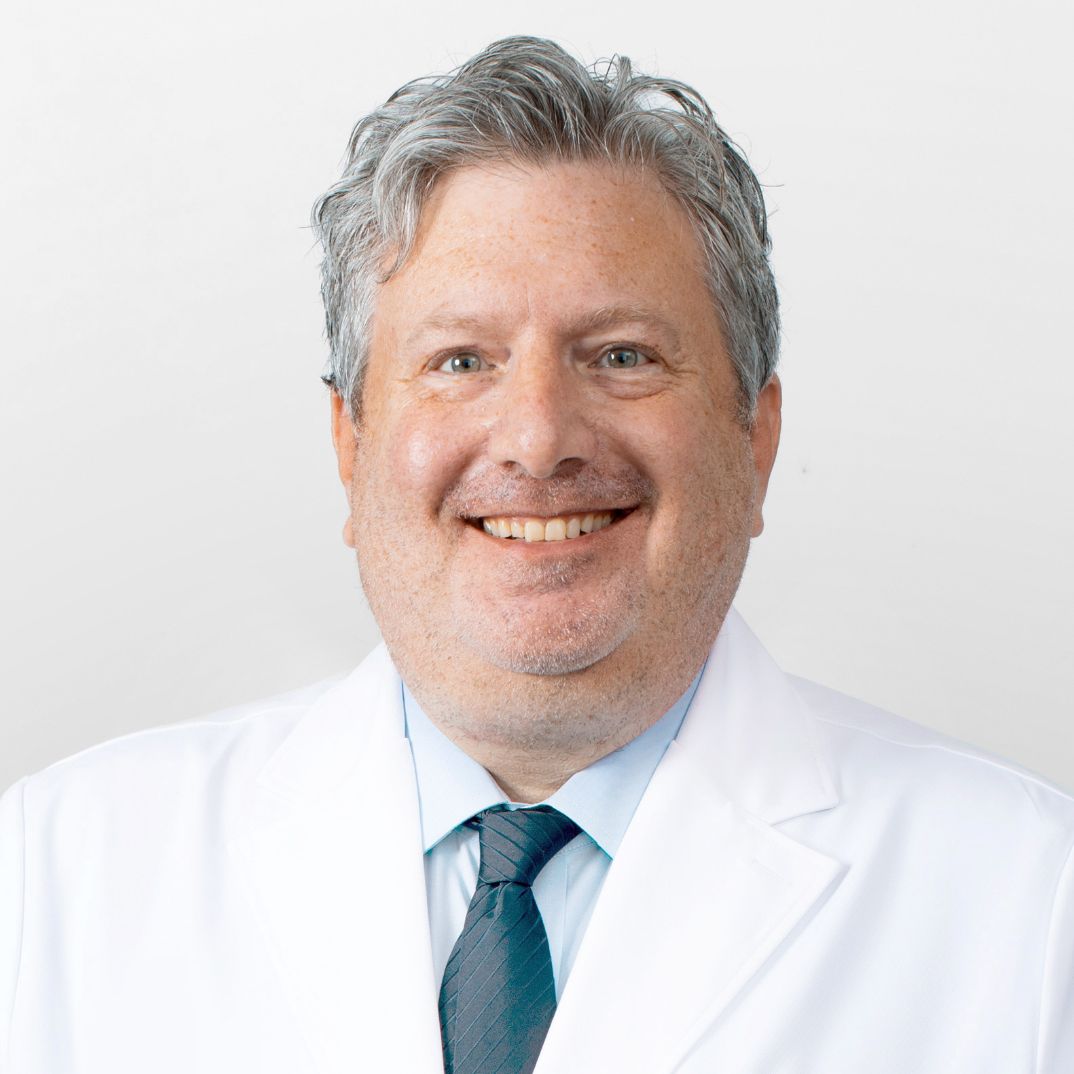
Some surgeons "offer" gender-affirming surgery among many other services. For Align, it's the center of our life's work. Our 6 board-certified surgeons have committed themselves wholly to gender-affirming care and research. This means we aren't just helping patients reach their embodiment goals; we are helping to make their care better—better understood, better supported, and performed in the best way possible. Meet the specialists behind the transformations.
Recovery after phalloplasty usually involves a hospital stay, activity restrictions, and close follow-up during early healing. Patients should expect wound care, limited mobility, and careful monitoring while both the donor site and reconstructed tissue recover.
Depending on your surgical plan and phase of treatment, recovery may involve catheters, drains, or other temporary supports. Your board-certified Align surgeon will explain what to expect at each stage, including when it may be safe to return to work, exercise, and other daily activities.
Complications and Revision Care
Some patients come to Align for primary phalloplasty, while others need help after prior surgery performed elsewhere. In some cases, additional surgery may be needed to improve healing, address urinary issues, refine contours, or treat other complications.
Common revision concerns include fistula, an abnormal connection that can cause urine leakage, and stricture, a narrowing that restricts urinary flow. Repair planning depends on your anatomy, tissue health, prior surgeries, and the specific issue being addressed.
How Much Does Phalloplasty Cost in San Francisco and Los Angeles?
Gender-affirming care, including phalloplasty surgery, is often covered by insurance. If you are using insurance, we will guide you through the authorization process and what to expect.
If you prefer to pay out of pocket, we will give you a personalized quote based on the details of your surgical plan, including the donor site, staging, and any additional procedures.
Traveling for Surgery?
Align is here to help
Travel planning can involve a lot of moving parts, especially when you're coordinating around surgery. If you're coming to Align from outside the Bay Area or Los Angeles, we have resources specifically for you.
As with any major surgery, phalloplasty carries risks, such as bleeding, infection, scarring, healing concerns, and changes in sensation. Because the procedure involves donor tissue, staged reconstruction, and sometimes urethral work, the planning and healing process can be more complex than with less complex procedures.
It is also important to understand that different donor sites and add-ons come with different trade-offs. We will help you understand which approach is most realistic for your anatomy and goals during your consultation.
Phalloplasty FAQ
How many stages will I need?
The number of stages depends on the donor site, whether urethral lengthening is included, your healing progress, and which additional procedures are part of the plan.
Which donor site may be the best fit for me?
There is no one best donor site for everyone. The right fit depends on your anatomy, sensation goals, scarring preferences, and how the donor site supports the rest of your surgical plan.
Can I urinate standing up after phalloplasty?
It may be possible if urethral lengthening is part of the plan. Your surgeon will explain whether that option is realistic for your anatomy and priorities.
What makes SSP different?
Single Scar Phalloplasty (SSP) is designed to reduce visible donor-site scarring by using a single linear scar along the thigh. It is a specialized option that may not be the right fit for every patient.
Can Align help with revision or repair after prior surgery?
Often, yes. Revision planning starts with understanding your surgical history, current anatomy, and the specific issue you want to address, whether that involves function, healing, or appearance.
When To See a Phalloplasty Specialist in San Francisco and Los Angeles
We recommend booking a consultation if you’re looking for clear guidance on whether phalloplasty aligns with your embodiment goals, which donor-site options may fit you best, and how a staged plan may be structured around your priorities. This is also the right time to seek expert input if you are considering revision or repair after prior surgery.
Explore Your Phalloplasty Options
When you’re ready, we’re here to help. Request an in-person or virtual consultation using the online form or call Align Surgical Associates to get started. We are proud to offer gender-affirming phalloplasty for Los Angeles and San Francisco patients, as well as individuals traveling from outside of California.
Should I Choose Metoidioplasty or Phalloplasty? How To Make the Best Choice for Your Goals
Metoidioplasty and phalloplasty are both effective options for masculinizing bottom surgery, but they serve different embodiment goals, involve different levels of surgical complexity, and produce different results. Instead of a one-size-fits-all decision, the right choice …
Single Scar Phalloplasty and Microvascular Phalloplasties: How to Know Which Is the Right Procedure for You Q&A with Dr. Dev Gurjala and Dr. Michael Safir
Drs. Dev Gurjala and Michael Safir of Align Surgical Associates recently hosted an Instagram Live session focused on single scar phalloplasty (SSP) and microvascular phalloplasties, and how to know which is the right procedure for …
Why Radial Forearm Phalloplasty Remains the Gold Standard in Microvascular Reconstruction
Radial forearm phalloplasty (RFF) has long been regarded as the benchmark technique in microvascular phalloplasty, particularly for gender-affirming genital reconstruction. Despite the emergence of alternative donor sites such as the anterolateral thigh (ALT) or latissimus …
Alba, B., Nolan, I. T., Weinstein, B., O’Neill, E., Fritsch, A., Jacobs, K. M., & Schechter, L. (2024). Gender-Affirming Phalloplasty: A Comprehensive Review. Journal of Clinical Medicine, 13(19), 5972. https://doi.org/10.3390/jcm13195972