Editor's Note: Language is ever evolving, and some terms people use to search for care may now be considered culturally outdated. When we reference these phrases, we are doing so to help more people find accurate, patient-first information.
We remain committed to using the most current, respectful terminology whenever possible and continually revise our content as language changes and as we learn from the communities we serve.
San Francisco 2299 Post St. Suite 207
San Francisco, CA 94115 (415) 530-5335
Los Angeles 1317 5th St #300
Santa Monica, CA 90401 (310) 751-5886
Scrotectomy is a feminizing gender-affirming surgery that removes the scrotal sac. Because this procedure removes tissue that may be relevant to future genital reconstruction, it is important to understand how it fits into your surgical plan before moving forward.
At Align Surgical Associates in San Francisco and Los Angeles, California, we approach scrotectomy with clear information, thoughtful planning, and recommendations grounded in your embodiment goals.
What Is a Scrotectomy?
A scrotectomy is a surgical procedure that removes the scrotal tissue. Depending on your treatment plan, it may involve removal of the scrotal skin on its own or alongside other bottom surgery procedures.
Your board-certified Align surgeon will plan your procedure based on your anatomy, the amount of tissue involved, and whether preserving options for future reconstruction is important to you.
Our Commitment to You.
We lead with your goals and make decisions—together.
Your plan starts with what matters most to you, such as function, sensation, privacy, recovery realities, and your day-to-day life.
We give honest recommendations.
We'll be transparent about what a technique can and can't reliably do for your anatomy and priorities, and we'll explain why we're recommending a particular approach.
We treat the whole person.
We don't reduce care to a single concern or body area. We look at your goals, your comfort, and what's safest and most supportive for you overall.
We prioritize privacy, dignity, and emotionally safe care.
We understand that many patients come in with complex past healthcare experiences and strive to create an environment where you always feel respected, welcomed, and seen at every step.
We're built for gender-affirming care.
Gender-affirming surgery isn't a side offering at Align—it's our life's work.
We evolve with the community.
Care and language change over time. We are dedicated to staying current, listening, and adapting.
Who Might Consider Scrotectomy?
Scrotectomy may be a meaningful option for transgender women, nonbinary individuals, and other gender-diverse patients who want the scrotal sac removed as part of their affirming care.
Patients who may want vaginoplasty or vulvoplasty later should be especially thoughtful before choosing scrotectomy, as the scrotal tissue is often used in genital reconstruction. In some cases, orchiectomy may be a better option if you are considering future genital reconstruction.
Six surgeons. Two locations.One specialized focus.
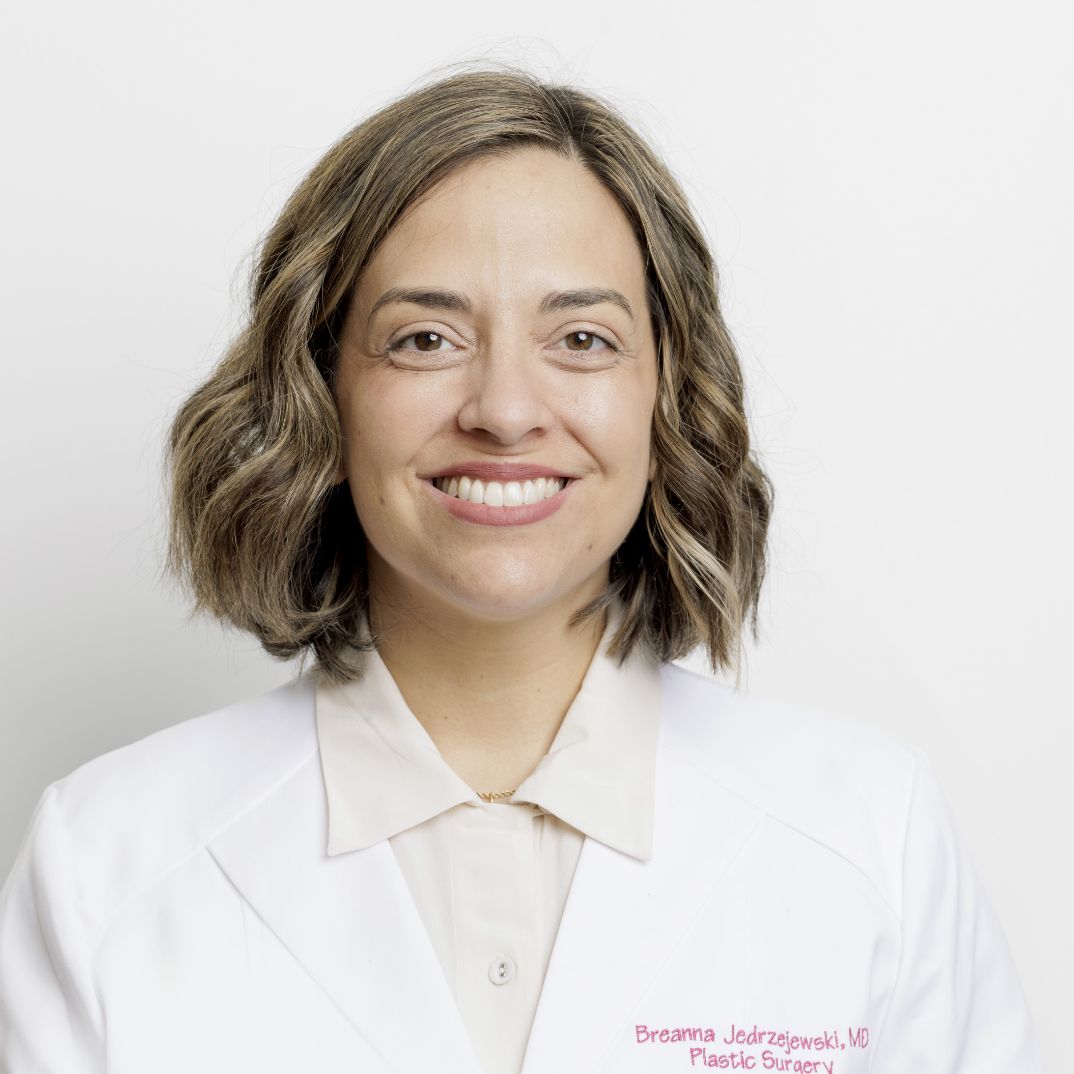
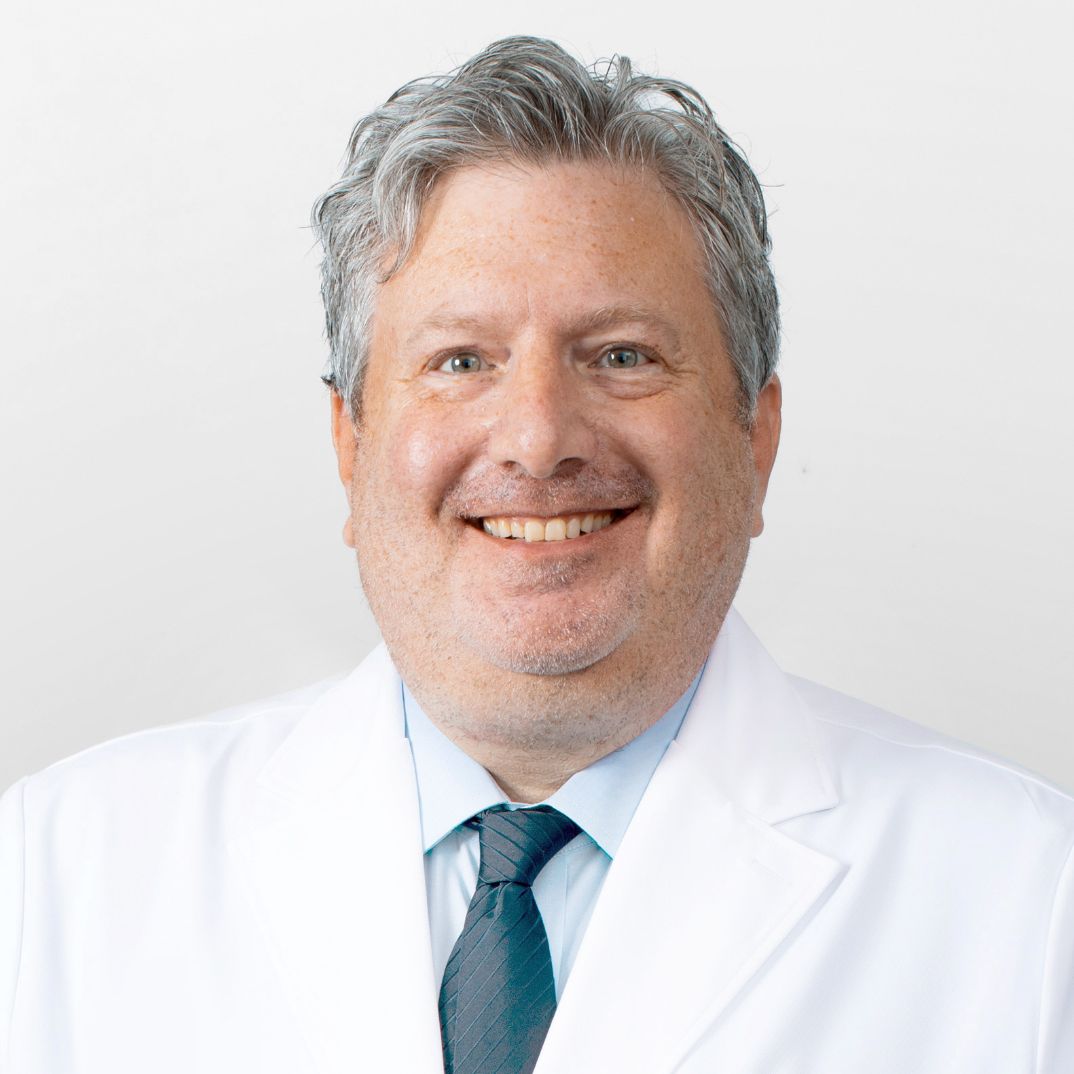
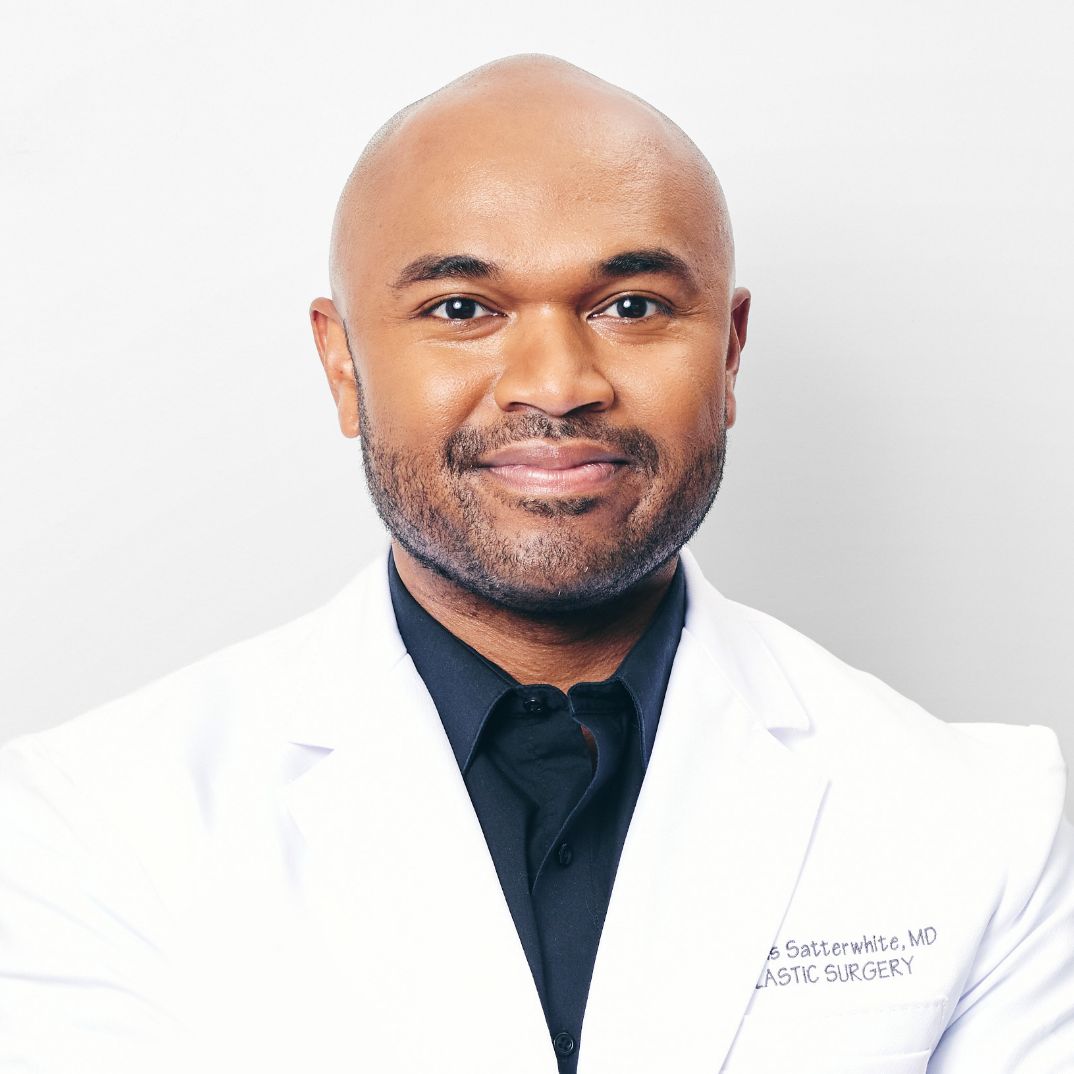
Some surgeons "offer" gender-affirming surgery among many other services. For Align, it's the center of our life's work. Our 6 board-certified surgeons have committed themselves wholly to gender-affirming care and research. This means we aren't just helping patients reach their embodiment goals; we are helping to make their care better—better understood, better supported, and performed in the best way possible. Meet the specialists behind the transformations.
Recovery after scrotectomy involves soreness, swelling, activity restrictions, and careful wound care during the early healing period. Your surgeon will give you guidance on hygiene, incision care, and when it is safe to return to work, exercise, and other routines.
How Much Does Scrotectomy Cost in San Francisco and Los Angeles?
Gender-affirming care, including scrotectomy surgery, is often covered by insurance. If you are using insurance, we will guide you through the authorization process and what to expect.
If you prefer to pay out of pocket, we will give you a personalized quote based on the details of your surgical plan, including whether your scrotectomy is performed on its own or combined with another procedure.
Traveling for Surgery?
Align is here to help
Travel planning can involve a lot of moving parts, especially when you're coordinating around surgery. If you're coming to Align from outside the Bay Area or Los Angeles, we have resources specifically for you.
As with any surgical procedure, scrotectomy carries certain risks, such as bleeding, infection, scarring, healing concerns, and changes in sensation. While the procedure is generally safe when performed by experienced surgeons, it is still important to understand the potential for complications, even when they are uncommon.
An equally important consideration is how scrotectomy fits into your future surgical plans. If there is any chance you may want vaginoplasty or vulvoplasty later, your surgeon will explain how removing scrotal tissue could affect those options and whether future reconstruction may require grafting or a more complex surgical plan.
Scrotectomy FAQ
Is scrotectomy reversible?
No. Once the scrotal tissue is removed, it cannot be naturally replaced. That is why it is important to consider how this decision could affect future reconstructive options.
What is the difference between scrotectomy and orchiectomy?
Scrotectomy removes the scrotal sac, while orchiectomy removes the testicles. They can be performed separately or together, depending on your goals and surgical plan.
Can I still have vaginoplasty after scrotectomy?
Sometimes, yes, but planning may be more complex if the scrotal tissue is removed. In some cases, additional grafting or other reconstructive strategies may be needed.
When To See a Scrotectomy Specialist in San Francisco and Los Angeles
We recommend booking a consultation if you’re looking for clear guidance on whether scrotectomy aligns with your embodiment goals, how it may affect future vaginoplasty or vulvoplasty planning, and whether another procedure may be a better fit for your longer-term surgical plan.
Explore Your Scrotectomy Options
When you’re ready, we’re here to help. Request an in-person or virtual consultation using the online form or call Align Surgical Associates to get started. We are proud to offer scrotectomy for San Francisco and Los Angeles patients, as well as individuals traveling from outside of California.
Vaginoplasty is a gender-affirming surgery that creates a vaginal canal through re-arranging tissue in the genital area [4]. It can be a life-changing procedure for many transgender women and nonbinary individuals, helping them feel more …
This guide will walk you through the steps of vaginoplasty dilation. Dilation becomes easier with time, and having a regular routine helps your body heal well. Editor’s note: In our article, we may use terms that are culturally …
Considering Robotic Vaginoplasty? Here’s What You Need to Know
If you’re exploring gender-affirming surgery, you’ve likely come across vaginoplasty—a procedure that creates a vaginal canal. But what if you’re told there’s insufficient tissue for the standard approach? Or perhaps you’ve already undergone vaginoplasty, but …
Reviewed for medical accuracy by Michael Safir, MD, FPM-RS
Further reading:
Oorthuys, A. O. J., Ross, M., Kreukels, B. P. C., Mullender, M. G., & Van De Grift, T. C. (2022b). Identifying Coping Strategies Used by Transgender Individuals in Response to Stressors during and after Gender-Affirming Treatments—An Explorative Study. Healthcare, 11(1), 89. https://doi.org/10.3390/healthcare11010089
Fascelli, M., Hennig, F., & Dy, G. W. (2023). Penile and testicular prosthesis following gender-affirming phalloplasty and scrotoplasty: a narrative review and technical insights. Translational Andrology and Urology, 12(10), 1568–1580. https://doi.org/10.21037/tau-23-122